Have you ever wondered how businesses attract customers through search engines – Google, Instagram, Facebook, YouTube, or websites? Have you noticed how a simple social media advertisement can influence your purchasing decisions? Behind these online activities is a powerful business prowess known as Digital Marketing.
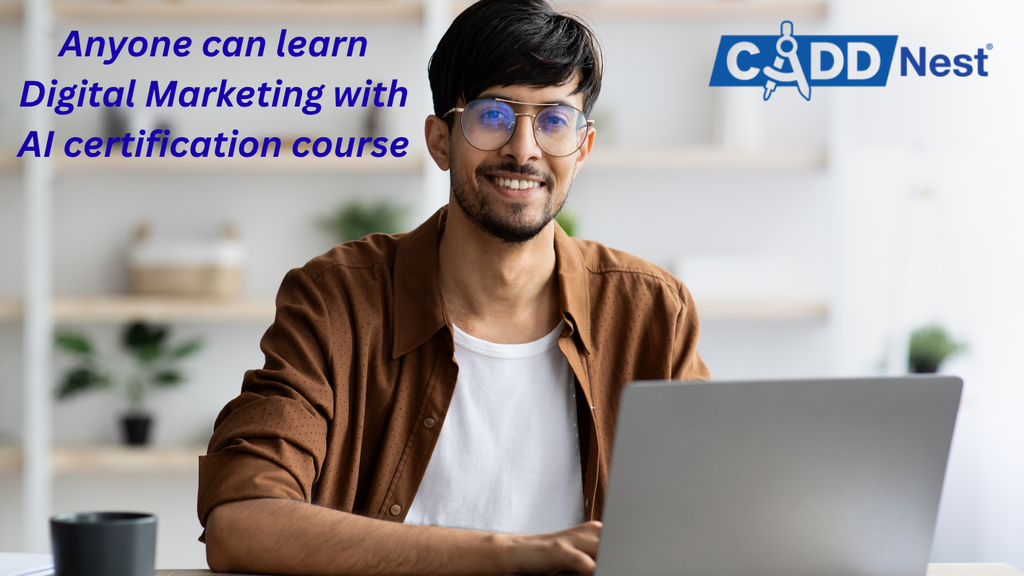
Today, digital marketing is no longer restricted to marketing professionals, IT graduates, or business owners. Students, fresh graduates, homemakers, working professionals, entrepreneurs, freelancers, and even individuals looking for a career change can learn digital marketing and build valuable career opportunities.
One of the biggest advantages of digital marketing is that you do not necessarily need a technical background, coding knowledge, or previous marketing experience to get started. With the right training, practical exposure, creativity, and consistent learning, anyone with an interest in the digital world can develop digital marketing skills.
A Digital Marketing Certification Course helps beginners understand how online marketing works, how brands connect with their target audiences, how businesses generate leads, and how digital platforms contribute to business growth.
Whether you want to get your first job, start freelancing, promote your own business, or upgrade your professional skills, learning digital marketing can be a useful step towards achieving your goals.
1. Who Can Take Up a Digital Marketing Certification Course?
The simple answer is anyone who is interested in learning how businesses grow online can take up a digital marketing certification course.
You do not need to belong to a particular educational stream or professional background. Digital marketing offers different learning opportunities depending on your interests, career objectives, and existing skills.
Let’s understand who can benefit from this course.
1. Students and Fresh Graduates
Students pursuing undergraduate or postgraduate degrees can learn digital marketing alongside their regular education.
Whether you are studying B.Com, BBA, B.Sc, B.A., BCA, B.Tech, or any other degree, digital marketing can complement your academic qualifications.
For fresh graduates, completing a certification course with practical projects can help develop industry-relevant skills before entering the job market.
How does it help?
- Develops an understanding of online business promotion.
- Introduces SEO, social media marketing, and Google Ads.
- Helps build a professional portfolio.
- Improves opportunities to apply for entry-level marketing positions.
- Provides exposure to real-world digital marketing tools.
2. Working Professionals
Are you working in sales, customer service, administration, business development, traditional marketing, or another professional field?
Learning digital marketing can help you expand your existing skill set.
For example, a sales executive can learn how digital advertising generates qualified leads. A traditional marketing professional can understand how online campaigns complement offline promotions.
Working professionals can also explore digital marketing as a possible career transition.
How does it help?
- Adds digital skills to your professional profile.
- Helps understand modern marketing strategies.
- Supports career transitions.
- Improves knowledge of customer behaviour and online advertising.
- Creates opportunities to explore specialised marketing roles.
3. Homemakers
Homemakers who want to restart their careers or develop an independent source of income can consider digital marketing as a learning opportunity.
The flexibility of digital marketing makes it possible to explore different working arrangements, depending on the employer, project, and individual skills.
For example, you can learn content creation, social media management, blogging, or basic SEO and gradually build practical experience.
How does it help?
- Provides an opportunity to learn a new professional skill.
- Helps explore freelance projects.
- Builds confidence in using digital platforms.
- Offers possibilities for remote and flexible work.
- Supports personal business and online entrepreneurship.
4. Entrepreneurs and Small Business Owners
Business owners do not always need to depend entirely on external agencies to understand their online marketing activities.
A digital marketing course can help entrepreneurs learn how to promote their products and services through websites, search engines, social media, and paid advertisements.
For example, a boutique owner can use Instagram to showcase new collections, while a real estate entrepreneur can use Google Ads and landing pages to generate property enquiries.
How does it help?
- Improves online brand visibility.
- Helps reach potential customers.
- Provides an understanding of digital advertising budgets.
- Supports lead generation and customer engagement.
- Helps evaluate marketing performance.
5. Freelancers and Aspiring Entrepreneurs
If you want to work independently rather than follow a conventional office-based career, digital marketing offers several skills that can be developed into freelance services.
You can specialise in SEO, social media management, content writing, email marketing, website optimisation, or paid advertising.
However, building a successful freelance career requires more than completing a certificate. You also need practical experience, communication skills, client management, and a portfolio demonstrating your capabilities.
6. IT and Non-IT Professionals
Digital marketing is not exclusively designed for people with computer science or IT qualifications.
IT professionals can combine their technical knowledge with marketing skills, while non-IT professionals can learn the technical aspects of digital marketing step by step.
You do not need to be an expert programmer to work with most digital marketing platforms.
Basic computer knowledge, internet familiarity, logical thinking, and a willingness to learn are generally sufficient starting points.
2. Is Any Specific Educational Qualification Required?
Generally, there is no universal educational qualification required to begin learning digital marketing.
Most beginner-level certification courses are designed for individuals with basic computer and internet knowledge.
Students from different educational backgrounds can enrol, including:
- Commerce graduates.
- Arts and humanities graduates.
- Science graduates.
- Engineering graduates.
- Management students.
- Diploma holders.
- Graduates from vocational courses.
Some advanced programmes or professional job positions may have their own eligibility requirements. Therefore, it is advisable to check the admission criteria of the training institute before enrolling.
Remember: Your educational background may influence your starting point, but your practical skills, creativity, communication, analytical thinking, and ability to adapt to new technologies play an important role in digital marketing.
3. Why Is Digital Marketing a Valuable Skill in 2026?
Consumers increasingly use digital platforms to discover products, compare services, read reviews, and make purchasing decisions.
Businesses across industries need effective ways to connect with these online audiences.
From local restaurants and educational institutions to hospitals, real estate companies, e-commerce brands, and multinational organisations, digital marketing supports different business objectives.
Here are some reasons why digital marketing knowledge is valuable:
1. Growing importance of online presence: Businesses need websites, search visibility, and social media platforms to communicate with potential customers.
2. Measurable marketing activities: Digital campaigns provide performance data such as clicks, impressions, conversions, engagement, and leads.
3. Multiple career specialisations: Learners can explore SEO, paid advertising, social media, content marketing, email marketing, and analytics.
4. AI-driven marketing developments: Artificial intelligence is changing content creation, keyword research, audience analysis, campaign optimisation, and marketing automation.
5. Opportunities across industries: Digital marketing skills are relevant to businesses of different sizes and sectors.
6. Freelancing possibilities: Individuals with practical expertise can offer specialised services to clients and businesses.
4. What Will You Learn in a Digital Marketing Certification Course?
A well-structured digital marketing certification course should cover both fundamental concepts and practical implementation.
Here are the major modules that beginners can explore.
1. Search Engine Optimisation (SEO)
Search Engine Optimisation helps websites improve their visibility in unpaid search engine results.
You will learn:
- Keyword research and search intent.
- On-page SEO and off-page SEO.
- Technical SEO fundamentals.
- Website content optimisation.
- Link-building strategies.
- Local SEO and Google Business Profile.
- SEO performance monitoring.
For example, if someone searches for “best digital marketing institute in Bangalore”, SEO helps relevant websites improve their chances of appearing in search results.
2. Search Engine Marketing (SEM) and Google Ads
Search Engine Marketing introduces you to paid advertising on search engines.
You will understand:
- Google Ads account structure.
- Search advertising campaigns.
- Keyword selection and bidding.
- Audience targeting.
- Ad copywriting.
- Conversion tracking.
- Campaign budgeting and optimisation.
For example, an educational institute can run Google Ads to reach students searching for professional certification courses.
3. Social Media Marketing (SMM)
Social media marketing involves promoting brands, products, and services through platforms such as Instagram, Facebook, LinkedIn, and YouTube.
You will learn:
- Social media account management.
- Content planning and content calendars.
- Social media post creation.
- Reels and short-form video marketing.
- Hashtag research.
- Audience engagement.
- Social media advertising.
- Performance analysis.
For example, a real estate company can use Instagram Reels, Facebook campaigns, and LinkedIn content to improve brand awareness and generate property enquiries.
4. Content Marketing and Copywriting
Content marketing focuses on creating valuable and relevant information to attract and engage potential customers.
You will understand:
- Blog and article writing.
- Website content development.
- Social media captions.
- Email newsletters.
- Content calendar preparation.
- Storytelling techniques.
- Content optimisation.
- Call-to-action writing.
Good content communicates a brand’s message, builds credibility, answers customer questions, and supports business objectives.
5. Website Development and WordPress
A website is an important foundation for many digital marketing campaigns.
A beginner-friendly course may introduce you to:
- Website structure and navigation.
- Domain names and hosting.
- WordPress installation.
- Themes and plugins.
- Landing page creation.
- Basic website optimisation.
- Mobile-friendly website design.
- Website analytics.
You do not necessarily need coding knowledge to create and manage a basic WordPress website.
6. Email Marketing
Email marketing helps businesses communicate directly with their subscribers and customers.
You will learn:
- Email campaign planning.
- Subscriber list management.
- Newsletter creation.
- Email subject line writing.
- Email automation.
- Customer segmentation.
- Campaign performance tracking.
For example, an educational institution can send course updates, admission announcements, promotional offers, and informative newsletters to interested students.
7. Google Analytics and Performance Tracking
Digital marketing is not just about publishing content or running advertisements. Understanding campaign performance is equally important.
You will explore:
- Website traffic analysis.
- User behaviour.
- Traffic acquisition.
- Conversion measurement.
- Campaign performance.
- Reporting and interpretation.
Tools such as Google Analytics 4 help marketers understand how visitors interact with websites and digital campaigns.
New Age AI Tools in Digital Marketing 2026
Artificial intelligence is becoming an important part of modern marketing workflows.
A digital marketing course in 2026 should ideally introduce practical AI applications such as:
- AI-assisted content generation.
- Marketing copywriting.
- Keyword research assistance.
- Social media content ideas.
- Image and creative generation.
- Audience research.
- Marketing automation.
- Campaign analysis and reporting.
Tools like ChatGPT, Claude and other AI-powered platforms can support marketers in improving productivity.
However, AI-generated content still requires human judgement, fact-checking, creativity, and brand understanding.
5. What Skills Should You Have Before Joining?
You do not need to master marketing skills before joining a certification course. However, developing a few basic abilities can make your learning experience easier.
| Basic skill | Why is it useful? |
|---|---|
| Computer knowledge | Helps you work with digital platforms. |
| Internet browsing | Makes online research easier. |
| Communication | Helps with content creation and client interaction. |
| Creativity | Supports advertisements and social media content. |
| Analytical thinking | Helps interpret campaign performance. |
| Willingness to learn | Helps you adapt to changing technologies. |
| Basic English | Useful for understanding tools and creating marketing content. |
You can gradually develop these skills during your training.
6. What Career Opportunities Are Available After Completing the Course?
A digital marketing certification can help you prepare for different entry-level and specialised career opportunities.
Depending on your practical knowledge, portfolio, experience, and interview performance, you can explore positions such as:
| Job profile | Primary responsibilities |
|---|---|
| Digital Marketing Executive | Managing online marketing activities. |
| SEO Executive | Improving website search visibility. |
| Social Media Executive | Managing social media accounts and content. |
| Google Ads Executive | Planning and managing paid campaigns. |
| Content Marketing Executive | Creating and managing marketing content. |
| Email Marketing Executive | Planning email campaigns and newsletters. |
| Performance Marketing Executive | Monitoring and optimising paid campaigns. |
| Digital Marketing Analyst | Analysing website and campaign performance. |
You can also explore freelancing opportunities and independent digital marketing services after developing sufficient practical expertise.
7. Can You Start Your Own Digital Marketing Business?
Yes! Digital marketing knowledge can also help you establish an independent business.
For example, you can gradually build a freelance service or marketing agency offering:
- Social media marketing.
- Website design and development.
- SEO services.
- Google Ads management.
- Content marketing.
- Email marketing.
- Lead generation.
- Digital branding and marketing consultancy.
However, running an agency requires additional skills such as client communication, project management, pricing, budgeting, sales, and business development.
The certification course can provide the foundation, while real-world projects help you develop the experience needed to serve clients.
8. How to Choose the Right Digital Marketing Training Institute?
Selecting the right training institute is an important decision, particularly if you are a beginner.
Before enrolling, consider the following factors:
1. Practical training: Choose a programme that provides hands-on experience rather than focusing only on theoretical concepts.
2. Updated syllabus: Check whether the course covers current digital marketing practices, including AI applications, analytics, and modern advertising platforms.
3. Experienced trainers: Learn from trainers who understand industry practices and can explain concepts through practical examples.
4. Live projects: Ask whether you will get opportunities to work on websites, SEO activities, social media campaigns, and advertising exercises.
5. Tool exposure: Check whether the curriculum introduces commonly used marketing tools and platforms.
6. Certification: Understand what certificate is awarded, who issues it, and whether any external certification examinations are included.
7. Placement assistance: If you are looking for a job, enquire about interview preparation, resume development, portfolio building, and placement support.
8. Batch flexibility: Students and working professionals may prefer weekday, weekend, or flexible batch options.
A good training programme should help you understand not just what digital marketing is, but also how to implement it.
9. Why Practical Learning Matters More Than Just Certification
Completing a certification course is a good starting point, but receiving a certificate alone does not guarantee employment or business success.
Employers and clients generally look for individuals who can demonstrate their ability to execute marketing activities.
For example, instead of simply mentioning that you have studied SEO, you should be able to demonstrate how you conducted keyword research, optimised a webpage, and monitored its performance.
Similarly, if you have studied social media marketing, try creating a sample content calendar, designing posts, writing captions, and analysing engagement.
Consider developing a portfolio containing:
- A sample WordPress website.
- An SEO keyword research report.
- A blog or website optimisation project.
- A 30-day social media content calendar.
- A sample Google Ads campaign structure.
- An email marketing campaign.
- A digital marketing performance report.
These practical exercises can help demonstrate your capabilities during job interviews or client discussions.
10. Is Digital Marketing the Right Career Choice for You?
Digital marketing can be a suitable career option if you enjoy exploring technology, understanding customer behaviour, creating content, analysing information, and solving business problems.
It is also a continuously evolving field. Search engines update their algorithms, social media platforms introduce new features, advertising technologies change, and AI tools influence marketing workflows.
Therefore, successful digital marketers must develop a habit of continuous learning.
You do not have to know everything before entering this field. Start with the fundamentals, practise regularly, explore different specialisations, and identify the areas that interest you most.
For students, it can be an additional professional skill. For working professionals, it can support career development. For entrepreneurs, it can help improve business visibility. For homemakers and freelancers, it can open doors to exploring independent work opportunities.
The best time to start learning a new skill is when you are ready to invest your time and effort in developing it.
11. Start Your Digital Marketing Learning Journey Today!
If you are searching for a career-oriented course that combines creativity, technology, communication, and business knowledge, a Digital Marketing Certification Course is worth considering.
Whether you are a student, graduate, homemaker, working professional, entrepreneur, or freelancer, you can begin your digital marketing journey without necessarily having a technical background.
Choose a training programme that focuses on practical learning, industry-relevant tools, live projects, and updated marketing techniques.
Learn how to optimise websites, manage social media platforms, create digital advertisements, develop marketing strategies, and analyse campaign performance.
Don’t wait until you have all the skills to begin. Start learning, practise consistently, and build your digital marketing expertise step by step!
Don’t Miss out on 30% exclusive Diwali offers!!
Frequently Asked Questions (FAQs)
1. Can anyone join a Digital Marketing Certification Course?
Yes. Students, fresh graduates, working professionals, homemakers, entrepreneurs, freelancers, and individuals looking for a career change can join a digital marketing certification course. Basic computer knowledge and familiarity with the internet are helpful. You do not necessarily need a technical or marketing background.
2. Is coding knowledge required to learn digital marketing?
No. Coding knowledge is not compulsory for learning digital marketing. Most digital marketing activities, including SEO, social media management, Google Ads, email marketing, and content creation, can be performed using user-friendly tools. Basic HTML or technical knowledge can be helpful for certain advanced activities.
3. Can a non-IT student pursue a digital marketing course?
Absolutely! Students from commerce, arts, science, management, and other educational backgrounds can pursue digital marketing. The course introduces marketing concepts and digital tools from the basics, making it accessible to non-IT learners.
4. What job opportunities are available after completing a digital marketing certification course?
After completing the course and developing practical skills, learners can explore opportunities as Digital Marketing Executives, SEO Executives, Social Media Executives, Google Ads Executives, Content Marketing Executives, Email Marketing Executives, and Performance Marketing Executives. Freelancing and entrepreneurship are other possibilities.
5. How long does it take to learn digital marketing?
The duration depends on the course syllabus, training schedule, and learning objectives. Basic concepts can be understood within a few weeks, while developing practical expertise across multiple digital marketing specialisations requires consistent practice over several months. A structured certification programme with live projects can make the learning process more effective.
Reach out to reserve your slot:
CADD Nest Rajajinagar
080-41608308 / 9740444363 / 9606666470
CADD Nest Basavanagudi
080-26608883 / 9972177744 / 9972377744
Website:
www.caddnest.org
www.caddnest.co.in
www.caddnest.in
www.caddnestedu.com